Slope Clearing in Utah County, UT
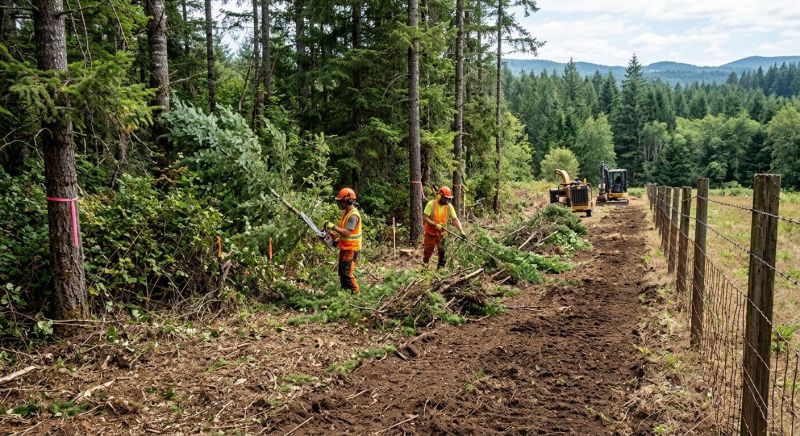
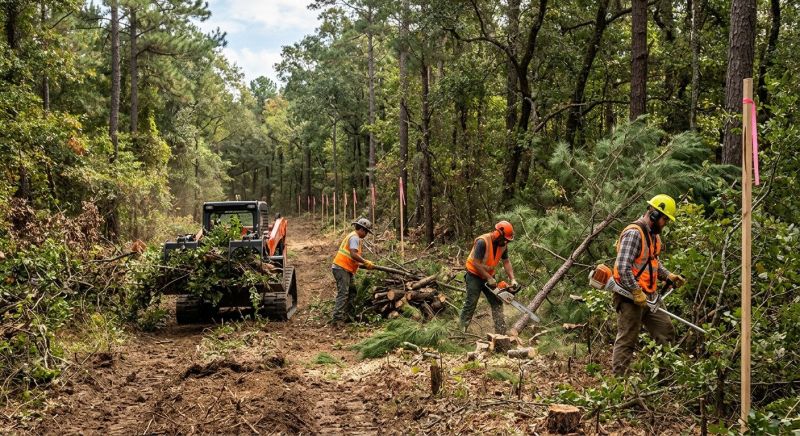
Slope clearing services involve removing excess vegetation, debris, and obstructions from hillside areas to improve safety, accessibility, and the overall appearance of a property. This process is often used for projects such as preparing land for construction, creating level areas for landscaping, or reducing the risk of erosion and landslides. Property owners typically seek slope clearing to enhance drainage, prevent soil instability, and make hillside terrain safer for recreational use or future development.
Before requesting slope clearing, property owners should consider the slope’s steepness, the type of vegetation or debris present, and the overall condition of the hillside. It’s also helpful to understand any local regulations or permits required for land modification, especially on steeper or environmentally sensitive areas. Clear communication about the scope of work and desired outcomes can help ensure the project addresses safety concerns, aesthetic preferences, and long-term stability.
Many property owners in Utah County, UT look into Slope Clearing for repairs, replacements, upgrades, and appearance-related improvements.
Slope Restoration
Proper slope clearing helps prevent erosion and stabilizes your landscape.
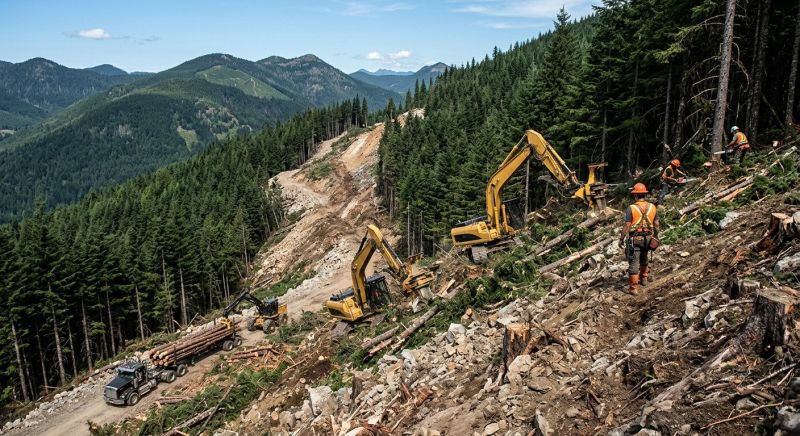
Land Preparation
Clearing slopes creates a safe and level area for construction or landscaping projects.
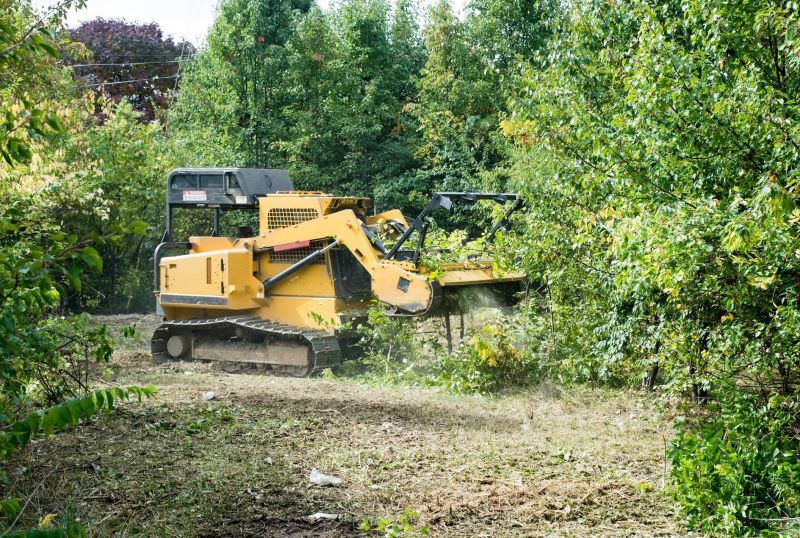
Drainage Improvement
Removing excess debris and vegetation enhances water flow and reduces pooling on hillsides.
Slope Clearing in Utah County, UT
Slope clearing services involve removing excess vegetation, debris, and obstructions from hillside areas to improve safety, accessibility, and the overall appearance of a property. This process is often used for projects such as preparing land for construction, creating level areas for landscaping, or reducing the risk of erosion and landslides. Property owners typically seek slope clearing to enhance drainage, prevent soil instability, and make hillside terrain safer for recreational use or future development.
Before requesting slope clearing, property owners should consider the slope’s steepness, the type of vegetation or debris present, and the overall condition of the hillside. It’s also helpful to understand any local regulations or permits required for land modification, especially on steeper or environmentally sensitive areas. Clear communication about the scope of work and desired outcomes can help ensure the project addresses safety concerns, aesthetic preferences, and long-term stability.
Many property owners in Utah County, UT look into Slope Clearing for repairs, replacements, upgrades, and appearance-related improvements.
Common Slope Clearing Jobs
Slope clearing services - removal of excess vegetation and debris from hillside areas.
Land grading - shaping slopes to improve drainage and prevent erosion.
Erosion control - installing barriers and planting to stabilize slopes and protect property.
Debris removal - clearing fallen trees, rocks, and other obstructions from hillside properties.
Site preparation - leveling and clearing land for construction or landscaping projects.
Vegetation management - trimming, thinning, and clearing to maintain slope stability.
Slope Clearing Questions
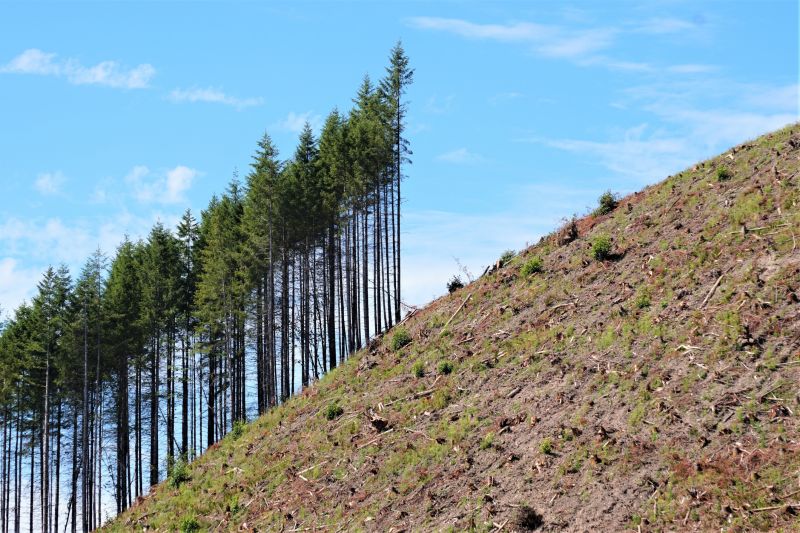
What is slope clearing? Slope clearing involves removing trees, brush, and debris from hillside areas to improve stability and access for property development or maintenance.
When is slope clearing needed? It is typically needed before construction, landscaping, or to reduce fire risk on hillside properties.
What types of projects require slope clearing? Projects such as building foundations, driveway installation, erosion control, or landscaping on sloped land often require slope clearing.
What should property owners consider before slope clearing? It’s important to assess the slope’s stability and plan for proper drainage to prevent future issues after clearing.
Request Slope Clearing in Utah County, UT
Use the quote form on this page to share the basics of your project and request more information for the type of work you need.